Seasonal Septic Services Checklist for Every Homeowner

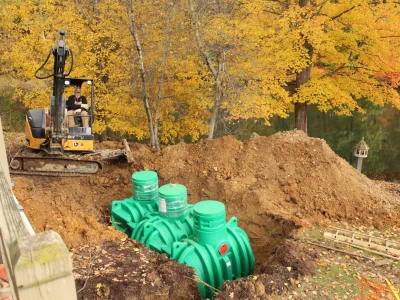

A septic system tends to disappear from a homeowner’s mind right up until it does the opposite. One slow drain turns into several. A patch of lawn stays suspiciously green when the rest of the yard is dry. An odor drifts across the patio at the wrong moment, usually when guests are over. By the time many people call for septic services, the job is no longer routine. It is urgent, more expensive, and often messier than it needed to be.
That pattern is avoidable. Septic systems do not ask for daily attention, but they do reward seasonal awareness. Weather, groundwater, household occupancy, landscaping, and water use all change through the year. A system that handled winter just fine may struggle during spring rains. A tank with comfortable reserve capacity in February can be pushed hard by summer visitors. Fall is often when small warning signs get ignored, only to become a frozen headache in January.
A practical checklist, used season by season, helps homeowners catch problems early and schedule septic services at the right time. It also helps separate real risks from folk wisdom. Flushing additives, tossing a packet of yeast into the toilet, or assuming the tank needs pumping every single year no matter what are not maintenance plans. Sensible septic care is steadier than that. It is part observation, part recordkeeping, and part knowing when to bring in a professional.
What changes with the seasons
A septic system works by time, flow, and soil conditions. Wastewater leaves the house, solids settle in the tank, scum rises, and partially clarified effluent moves to the drain field. From there, the soil does the final treatment work. That last stage is where seasons matter most. Wet ground, frozen lines, compacted soil, and root growth all affect how well the system can absorb and treat wastewater.
Spring often brings the hardest test. Snowmelt and rain raise the water table and saturate the soil. If the drain field cannot accept water at its normal rate, the whole system can slow down. Toilets may gurgle, lower level drains may hesitate, and any weak point in lids, risers, or baffles becomes more likely to show itself.
Summer changes the pattern in a different way. Houses that see more guests, more laundry, more showers, and more cooking generate more wastewater. Vacation properties often swing from near-empty to fully occupied in a weekend. That spike can overwhelm a tank that was already near pumping time. Warm weather also encourages landscaping projects, heavy mower traffic, and kids’ play equipment, all of which can damage components if no one remembers where the system is.
Fall is the best maintenance window in many regions. Soil is usually stable, contractors’ schedules are still workable, and there is time to address issues before freezing weather hardens everything in place. A broken lid in October is an inconvenience. The same issue under snow and ice can become a difficult service call.
Winter is when hidden weaknesses reveal themselves. Frozen pipes, compacted snow over shallow lines, and extra holiday water use can combine badly. Emergency calls during winter often trace back to something that should have been handled months earlier, such as an overdue pump-out, a leaking fixture that never got repaired, or poor insulation over exposed components.
The homeowner’s working checklist
Most homeowners do not need to become septic experts. They do need a repeatable habit. The most useful checklist is simple enough to follow and specific enough to catch change before failure.
- Locate and mark the septic tank, access lids, and drain field on a property sketch.
- Keep a service record with pumping dates, inspections, repairs, and occupancy changes.
- Walk the area each season and note odors, wet spots, slow drains, or unusually lush growth.
- Manage water use, especially during guest-heavy periods, and repair leaks quickly.
- Schedule septic services based on tank size, household load, and inspection findings, not guesswork.
That list may look basic, but it addresses the root cause behind many expensive calls: homeowners do not know what they have, where it is, or when it was last serviced. I have seen properties change hands with no usable septic records at all. The new owner may not even know whether the system has a filter, a pump chamber, or a second tank. Without those details, routine care turns into reactive care.
If you bought your home recently, one of the smartest first-year expenses is a thorough inspection from a reputable septic services provider. Not a quick glance, a real inspection. Ask for the tank’s approximate size, current sludge and scum levels, the condition of inlet and outlet baffles, the presence of an effluent filter, and the visible condition of the drain field area. You want a baseline.
Spring: when the ground tells the truth
Spring is the season when a marginal system stops hiding. As frost leaves the ground and rain works downward, every drainage problem becomes easier to see. This is when homeowners should walk the yard slowly, not just glance at it from the deck.
If you notice standing water over the drain field after modest rain, that deserves attention. A brief wet patch after a downpour is one thing. Persistent sogginess, especially with odor, points to an absorption problem. Likewise, if a stripe of grass over the septic area greens up earlier and faster than the rest of the lawn, that can indicate excess moisture or nutrient leakage.
Inside the house, spring symptoms are often subtle. A tub that drains more slowly than usual in the basement bath, a toilet that burps once when the washing machine discharges, or a faint sewer smell near a floor drain can all be early warnings. None proves septic failure on its own, but together they justify a service call.
Spring is also the right time to inspect roof drains, sump pump discharges, and grading around the drain field. Clean water matters here. It should be directed away from the septic area whenever possible. A drain field already has one job, accepting and treating septic effluent. It does not need extra stormwater poured on top of it. I have seen otherwise decent systems struggle because a homeowner innocently routed a downspout extension toward the easiest low spot, which happened to be the field.
Pumping in spring can make sense if the tank is due, but wet site conditions can complicate access. If the yard is soft enough that a pumping truck could rut the area badly, a contractor may advise waiting until the ground firms up, provided the tank still has safe reserve capacity. This is where professional judgment matters more than calendar habits.
Summer: high use, heavy traffic, preventable damage
Summer is hard on septic systems for reasons homeowners often underestimate. Water use goes up quickly. Extra guests mean more toilet flushes, more showers, more dishwashing, and a lot more laundry. If the home hosts reunions, weekend rentals, or long holiday visits, the loading pattern can become intense and irregular. Septic systems prefer steady flow. They are less fond of a dozen people showing up Friday evening and running everything at once.
One practical adjustment helps more than most people expect: spread out water use. Do not run back-to-back laundry loads all day if you can stagger them. Fix the dripping toilet before relatives arrive, not after. Encourage guests to shower at normal intervals rather than all within one hour. These are ordinary housekeeping choices, but they can reduce stress on a tank and drain field substantially.
Summer is also when yards are busiest. This is the season of fence posts, sheds, trampolines, patios, tree planting, and large outdoor parties. Any digging project should begin with certainty about septic component locations. It is surprisingly common for someone to drive a small skid steer over the drain field or install raised garden beds on top of it because the system map was forgotten. Soil compaction above a drain field reduces the oxygen and pore space that the system relies on. Deep-rooted shrubs and thirsty trees can invade lines over time, especially if planted too close.
For homes with septic pumps or alarm panels, summer is a good time to verify that the alarm works and that everyone in the house knows what it means. Too many people silence an alarm and assume it is a fluke. If a high-water alarm sounds, the right response is not to keep doing laundry and see what happens. It is to reduce water use and call for septic services promptly.
Fall: the maintenance season most homeowners should use
If I had to pick one season for planned septic work, it would usually be fall. Conditions are often dry enough for access, temperatures are moderate, and there is still time to make repairs before frozen ground complicates excavation. Homeowners also tend to be back in a routine after summer travel, which makes scheduling easier.
This is the ideal time for pump-outs when the system is due. A proper pumping service should do more than remove contents and leave. The technician should have a clear look at the tank condition, check baffles if accessible, and note anything that needs follow-up. If your system uses an effluent filter, it should be cleaned according to manufacturer guidance or service provider recommendation. A clogged filter can mimic bigger problems, and because it sits out of sight, it is often overlooked.
Fall is also the season to review household records. How many people lived in the home this year? Was there an extended stay by guests or relatives? Did you add a bathroom, finish a basement, or start a home business that increases water use? Tank pumping frequency is not a one-size-fits-all matter. A three-bedroom house occupied by one careful retiree has a different pattern than a three-bedroom house with five people, teenagers, and constant laundry.
A useful rule of thumb is to let inspection findings guide pumping schedules, not superstition. Many residential tanks are pumped somewhere in the range of every two to five years, but there is no universal interval that fits every property. Tank size, occupant count, garbage disposal use, fixture efficiency, and maintenance history all shift the answer. If anyone gives you a single magic number without asking about those factors, keep looking.
Winter: protecting the system when the margin is thinner
Cold weather brings a special kind of trouble because options narrow fast once something freezes or backs up. Snow can help insulate the ground if left undisturbed. Repeatedly driving over the septic area, plowing too aggressively, or compacting snow over shallow lines can strip away that insulating benefit and increase freezing risk.
Holiday water use is the classic winter overload. Guests arrive, bathrooms stay busy, dishwashers run constantly, and laundry piles up. If the tank was already overdue for service in late fall, winter can be when that neglect catches up with the house. One memorable service call involved a family who hosted three generations for a week in a home with a tank that had not been pumped in many years. Nothing catastrophic had happened before, so they assumed the system was fine. It was not. The combination of accumulated solids and sudden high use left them with a backup on a holiday weekend, exactly when emergency response was slowest and most expensive.
Winter is also unforgiving of leaks. A running toilet can send dozens or even hundreds of extra gallons through a system over time, depending on how severe the leak is. In warm weather that may go unnoticed longer. In winter, the same unnecessary flow can contribute to freezing or saturation problems. Small plumbing repairs matter more than they seem.
If you own a seasonal home that sits vacant part of the winter, ask your septic services provider what precautions fit your setup. Systems with pumps, alarms, or shallow components may need special attention. The right approach varies with climate and design.
Signs that deserve a call sooner rather than later
Not every odd symptom means failure, but a few are worth acting on promptly rather than watching for another month.
- Sewage odors outdoors near the tank or drain field that persist beyond a brief moment
- Drains that slow down across multiple fixtures, especially after laundry or showers
- Gurgling sounds in plumbing, particularly in lower-level fixtures
- Wet, spongy, or unusually green patches over the septic area
- Any septic alarm, backup, or surfacing effluent
The common mistake is to explain away one sign at a time. A homeowner tells themselves the wet patch is just rain, the smell is from mulch, and the slow tub is probably hair. Sometimes that is true. What matters is the pattern. Multiple symptoms, or one symptom that repeats, justify professional evaluation.
Pumping is essential, but it is not the whole story
Homeowners often reduce septic care to one question: “When should I pump the tank?” It is an important question, but not the only one. Pumping removes accumulated solids. It does not repair broken baffles, correct bad grading, solve root intrusion, or rehabilitate a failing drain field. A tank can be freshly pumped and still have a problem.
At the same time, pumping too seldom creates its own cascade of trouble. When sludge and scum levels get too high, solids can move out toward the drain field, where the consequences become much more serious and expensive. Replacing or extensively repairing a failed field is a very different financial event from scheduling routine septic services.
This is one place where experienced providers earn their keep. A good technician does not sell fear, and does not promise miracles. They explain what they see, what is normal, what is changing, and what should happen next. Sometimes the answer is reassuring. The tank needs pumping, the filter needs cleaning, and the rest looks serviceable. Sometimes the answer is more nuanced. The system is functioning, but the field area is wet enough that water use should be reduced and drainage around the area improved. Sometimes the message is harder. Components are deteriorated, or the field is no longer accepting effluent properly, and planning for repair should start now rather than after total failure.
Household habits that quietly shape system life
The day-to-day choices inside the house matter more than many product labels would have you believe. Septic-safe toilet paper is fine, but no paper product will compensate for flushing wipes, even those marketed as flushable. Grease poured down the sink cools and clings. Food waste from a garbage disposal increases solids loading. Harsh chemicals used occasionally are usually less of a threat than chronic misuse of the system as a trash can.
Water efficiency helps, but there is a trade-off worth noting. Older systems built around higher water flows can behave differently after every fixture in the house is upgraded at once. Usually the change is positive, but occasionally lower flow can alter drainline behavior enough that an existing slope or venting issue becomes more noticeable. That is not a reason to avoid efficient fixtures. It is a reason to pay attention to the whole plumbing system rather than assuming every change is isolated.
Occupancy swings matter too. A home used by two people for most of the year and ten people for holiday weeks does not fit neat averages. In those households, seasonal planning matters even more. Before a large gathering, make sure the tank is not close to overdue, remind guests what should not be flushed, and spread heavy water use as much as practical.
Choosing septic services that are worth paying for
Not all septic services are equal, even when the truck and the invoice look similar. Homeowners benefit from asking a few practical questions. Will the provider inspect the tank condition while pumping? Will they note sludge and scum levels? Can they explain whether your https://www.flickr.com/people/204701822@N05/ pumping interval still makes sense? Are they familiar with the system types common in your area, including pump systems, mound systems, or aerobic units if applicable?
A provider who knows local soils and groundwater patterns often brings valuable context. In some areas, spring saturation is the dominant issue. In others, shallow rocky soils or aggressive roots create the recurring problems. Regional experience shows up in the recommendations. It also shows up in restraint. Trust the contractor who says, “Monitor this and call if it changes,” when that is the honest answer, just as much as the one who recommends repair when repair is necessary.
Price matters, of course, but the lowest quote is not always the best value if it buys only a hurried pump-out with no useful evaluation. Septic systems are buried infrastructure. Since you cannot see them easily, the quality of the service relationship matters more than with many household trades.
A year-round mindset beats emergency ownership
The healthiest way to think about a septic system is not as a crisis waiting to happen, but as a piece of working property infrastructure that benefits from timing and attention. Seasonal checks do not take long. Most of them amount to observation, records, and sensible water use. The payoff is avoiding the all-too-common cycle of neglect, surprise, and emergency expense.
If your records are incomplete, start there. If the yard has not been walked with septic awareness in months, do that next. If the tank is due, schedule septic services before peak-use periods or bad weather leave you fewer options. Homeowners who stay slightly ahead of their systems almost always spend less than those who wait for unmistakable symptoms. With septic care, unmistakable usually arrives late.
Excavating New Jersey LLC
Address: 406 County Rd 565, Wantage, NJ 07461
Phone number: +19737914284
FAQ About Septic Services
What is the average cost to get a septic tank emptied?
Emptying a septic tank costs between $290 and $560 on average, with most homeowners paying about $420. Prices vary based on tank size.
What is septic service?
Septic service inspects, pumps, cleans, and maintains a septic tank. A septic tank is a large, underground container that collects and treats wastewater from your home. Over time, sludge, scum, and other debris, like hair and solids, can build up in your tank and clog your drain field.
How often should you have a septic tank serviced?
A standard septic tank should be inspected every 1 to 3 years and pumped every 3 to 5 years. However, the exact schedule depends on your tank's capacity, household size, and daily water usage.