How Residential Drain Cleaning Protects Against Overflow and Backups


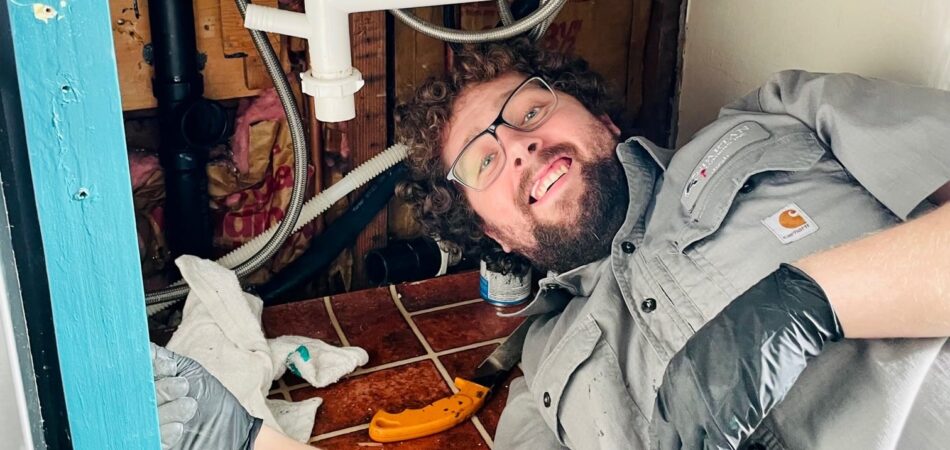
Most homeowners do not think much about their drains until water stops moving. A sink begins to gurgle. The shower pan fills around your ankles. The toilet flushes, then rises farther than it should. At that point, the problem feels sudden. In practice, it usually has been developing for weeks or months.
Residential Drain Cleaning matters because drainage systems fail gradually before they fail dramatically. Grease cools and sticks to pipe walls. Hair wraps around soap residue. Mineral scale narrows older lines. Small bits of food, paper products, and household debris catch on those rough surfaces and begin to collect. What starts as a partial restriction can turn into a full blockage, and that is when homeowners face overflow, wastewater backups, property damage, and a repair bill that can grow far beyond the cost of routine maintenance.
The real value of keeping household drains clean is not cosmetic. It is preventive. A clear drain protects flooring, cabinets, drywall, subfloors, and in some cases even foundations. It also protects daily routines. A family can work around a slow bathroom sink for a while. It is much harder to function when the main line backs up and every fixture in the house becomes part of the problem.
A backup rarely starts where you notice it
One of the most common misunderstandings in residential plumbing is the idea that the visible fixture is always the source of the issue. A kitchen sink clog may in fact be partly caused by buildup farther down the branch line. Water appearing in a shower after the washing machine drains may point to a restriction in a shared waste line, not the shower itself. A basement floor drain that suddenly receives murky water can be warning you about the main sewer line before toilets and tubs begin to overflow.
That matters because overflow and backups do not simply happen at the point of blockage. Water follows the path of least resistance. If a pipe is narrowed enough, draining water from one fixture can push air and wastewater toward another. This is why a homeowner may first hear bubbling in one room, then see standing water somewhere else.
When drain lines are professionally cleaned or properly maintained, the system regains carrying capacity. Water, air, and waste can move the way the plumbing was designed to handle them. That reduced pressure inside the system lowers the chance that wastewater will be forced back through the lowest or nearest opening.
The chain reaction inside a neglected drain
A household drain does not usually go from clear to completely blocked overnight. The progression is more ordinary than that, which is why people often ignore it.
In a kitchen line, grease is a frequent culprit. Even if it goes down warm and liquid, it cools quickly and clings to the interior of the pipe. Add soap film, coffee grounds, food scraps, and starchy residue, and the line slowly gets narrower. What makes this particularly deceptive is that the sink may still drain reasonably well for a long time. Homeowners assume there is no urgent issue, but the pipe is losing margin. Then a holiday meal, a heavier than usual dishwasher cycle, or a night of frequent sink use pushes it over the edge.
Bathroom drains develop a different kind of restriction. Hair combines with soap scum and skin oils, forming a dense mat. In homes with hard water, mineral deposits can make the interior of older metal lines rough enough to trap more debris. The result is not just slower drainage. It is a system that catches whatever comes next.
Main sewer lines create the most serious risk. In older neighborhoods, roots may enter through joints or small cracks. In any home, wipes, excessive paper products, hygiene items, or foreign objects can snag and begin collecting waste behind them. Once the main line is compromised, every flush, shower, load of laundry, and dishwasher cycle adds to the pressure. That is how a small restriction turns into a lower level toilet overflow or wastewater in a tub.
Drain cleaning breaks that chain reaction before it reaches the emergency stage.
Why overflow causes more damage than many homeowners expect
Water damage is expensive, but wastewater damage is on another level. Clean water from a supply leak is one issue. Water coming back through a drain can carry contaminants, odors, and fine debris that spread into grout lines, flooring seams, cabinet bases, and wall cavities.
A toilet or floor drain overflow in a bathroom might look manageable at first glance, especially if the visible puddle is small. The trouble is what gets underneath. Vinyl plank flooring can trap moisture below the surface. Laminate can swell at the edges. Particleboard vanity bases absorb water quickly and lose structural integrity. Baseboards wick moisture upward. If the event is severe or not cleaned up promptly, mold growth becomes a secondary problem.
I have seen homeowners focus https://www.google.com/maps?cid=12141713693293517558 on mopping up the visible water while missing the fact that a nearby HVAC return, bathroom rug pad, or closet threshold also took on moisture. What could have been prevented with routine drain service turns into multiple trades coming through the house: plumbing, water remediation, flooring, drywall, maybe cabinetry. That kind of cascade is exactly what regular Residential Drain Cleaning helps avoid.
The signs that should not be ignored
Homeowners often wait for a dramatic failure because the early signs feel minor or inconsistent. That delay is costly. Plumbing systems tend to offer warnings if you know how to read them.
- Slow drainage at more than one fixture, especially on the same floor or branch line
- Gurgling sounds after flushing, draining a sink, or running the washing machine
- Water appearing in a tub or shower when another fixture is used
- Repeated need for a plunger or store-bought drain opener
- Drain odors that return soon after cleaning the fixture surface
One slow sink by itself may be a local issue. Several symptoms together tell a different story. When multiple fixtures begin acting strangely, the safest assumption is that there is buildup deeper in the system. That is the point where cleaning the drain line is usually far simpler than dealing with a backup after the fact.
Why store-bought fixes often miss the real problem
There is a place for simple homeowner maintenance. Removing visible hair from a shower strainer or using a sink stopper correctly are practical habits. But many over-the-counter drain products promise more than they deliver.
Chemical drain cleaners may burn through a small obstruction near the opening, or they may simply create a narrow channel through the blockage. Water drains for a few days, giving the impression of success, while the remaining buildup continues to catch debris. Some chemicals also introduce risk. They can be harsh on older pipes, unpleasant to handle, and dangerous if a plumber later has to open the line or disassemble a trap that still contains the product.
Mechanical force can be misused as well. A handheld auger is useful in some situations, but it is not a cure for every clog. It may punch through a soft blockage without removing grease from the pipe walls. That means flow is restored temporarily, yet the line remains primed for another stoppage.
Professional cleaning methods are different because the goal is not only to reestablish flow. The goal is to restore as much of the pipe's full diameter as possible. Depending on the line and the condition, that may involve cable machines, targeted root cutting, or hydro jetting in systems that can handle it. The method should fit the material, age, and actual cause of the restriction.
Kitchen drains, bathroom drains, and main lines each behave differently
Drain systems are not all vulnerable in the same way. A well-planned cleaning strategy takes that into account.
Kitchen drains deal with grease, food residue, and soap. They often clog slowly and become recurring trouble spots when households dispose of too much through the sink. Even homes with garbage disposals are not immune. A disposal grinds food into smaller pieces, but it does not make grease disappear, and it does not change the slope or diameter of the branch line.
Bathroom drains usually collect hair, toothpaste residue, soap scum, and in family homes, whatever children manage to drop or flush. The overflow risk is often more localized at first, but shared bathroom groups can reveal larger drainage issues quickly. A toilet that bubbles when the tub drains is not merely quirky. It is a communication from the plumbing system.
Main sewer lines are where consequences become serious. If a main line backs up, the lowest fixtures in the home are often the first to show it. In homes with basements or lower level bathrooms, that can mean a mess in the part of the house that is hardest to clean and dry thoroughly. Routine inspection and cleaning of a troubled main line, especially in homes with mature trees or a known history of root intrusion, is often one of the most cost-effective services a homeowner can schedule.
Older homes need a different level of attention
Age changes the equation. Newer PVC systems tend to have smoother interiors and more predictable performance, assuming they were installed correctly. Older homes can have cast iron, galvanized steel, clay, or Orangeburg components in the drainage system. Each comes with its own behavior and limitations.
Cast iron can last a long time, but interior scaling can significantly reduce effective diameter. Galvanized lines may corrode and roughen internally. Clay sewer laterals are durable in some respects but more vulnerable at joints, where roots can enter. Some older systems also have uneven slope from settling over time, which allows solids to collect more easily.
This does not mean every old house is destined for backups. It does mean the margin for error is smaller. A newer household might get away with more abuse before symptoms appear. An older system often needs more disciplined maintenance, earlier intervention, and a service provider who understands how to clean without damaging compromised pipes.
Seasonal stress makes hidden issues surface
Drain backups have a way of showing up at inconvenient times because household usage is not constant throughout the year. Guests during holidays increase toilet and sink traffic. School breaks mean more showers, more laundry, more dishes. Heavy rain can expose problems if the sewer system or property drainage is already under strain. Fall and spring can be especially revealing for homes with root-prone main lines, as seasonal growth and moisture changes affect underground conditions.
I have also seen many drainage emergencies happen right after a period of relative calm. A line that is 80 percent obstructed may seem manageable during lighter use. Then one busy weekend, several long showers, consecutive laundry loads, and frequent dishwasher cycles stack up at once. The homeowner assumes the event came out of nowhere. It did not. The extra demand simply found the weakness.
That is why timing matters. Cleaning a borderline line before a high-use season can prevent the kind of overflow that occurs when the house is fullest and there is the least tolerance for downtime.
What professional drain cleaning actually protects
When people hear "drain cleaning," they sometimes picture a narrow service call meant to solve a nuisance clog. In reality, regular maintenance protects much more than convenience.
It protects plumbing fixtures by reducing stress on traps, seals, and branch connections that are repeatedly subjected to poor flow and backup pressure. It protects finishes and furnishings near vulnerable fixtures. It protects indoor air quality by reducing persistent drain odors associated with organic buildup. It protects schedules, because a planned appointment is far easier to manage than an urgent weekend emergency. And it protects the larger plumbing budget by catching emerging problems before they require excavation, pipe replacement, or restoration work.
The savings are not always dramatic in a single moment, but over time they are real. Preventive drain maintenance is usually a modest cost compared with the expense of sewage cleanup, damaged flooring, repeated emergency calls, or replacing belongings affected by contaminated water.
Good drain habits help, but they are not a full substitute
Homeowners can do quite a bit to reduce buildup between service visits, and those habits matter. They simply should not be confused with a complete maintenance plan, especially in a home with older piping or previous backup history.
- Keep grease, fats, and oils out of kitchen drains, even if the sink has a disposal
- Use strainers in showers and tubs, and clear them regularly
- Flush only toilet paper, never wipes, paper towels, or hygiene products
- Run plenty of water when using the kitchen sink for normal cleanup, but do not rely on hot water to dissolve grease
- Pay attention to changes in sound, speed, and odor instead of waiting for a full clog
These steps reduce the load on the system. They do not remove established scale, root intrusion, or deep grease accumulation. Think of them as extending the clean condition of the line, not replacing the need to restore it when buildup has already formed.
How often should residential drains be cleaned?
There is no single schedule that fits every house. A newer home occupied by one or two people with good habits may go years without needing anything beyond occasional local maintenance. A busy family home with long hair, frequent cooking, heavy laundry use, and an older sewer lateral might benefit from more regular service. Homes with known root intrusion often need a recurring plan because roots tend to come back even after a thorough clearing.
A practical approach is to base timing on a few factors: the age of the house, the pipe material, the number of occupants, the history of backups, and whether symptoms have appeared before. If a home has had two or three slow-drain episodes in a year, that is useful information. If the main line has backed up once, that history should not be treated casually. Many homeowners save money by moving from reactive emergency visits to scheduled maintenance at sensible intervals.
This is also where camera inspections can help in the right situations. A visual look inside the line can distinguish between ordinary buildup, root intrusion, a sag in the pipe, or structural damage. Cleaning solves many problems, but not all of them. Good judgment means knowing when cleaning is enough and when a repair discussion is necessary.
The difference between a nuisance and a warning
Not every clog is a crisis. A single sink trap blocked by toothpaste sludge is usually a straightforward fix. But homeowners get into trouble when they assume every drainage issue is equally harmless. The challenge is recognizing when a nuisance symptom is actually early warning.
If a plunger works once and the problem stays gone, you may have dealt with a simple local obstruction. If the same fixture slows again within days, something deeper is often going on. If one drain issue appears to trigger another fixture, the warning is stronger. If lower level drains are involved, take it seriously. Gravity makes those fixtures the first release point when the system cannot carry waste away.
That is why Residential Drain Cleaning should be viewed as system protection, not just problem solving. It addresses the conditions that allow minor symptoms to become major failures.
Choosing the right response before an emergency
The most sensible time to deal with drainage problems is before water is on the floor. Once backup occurs, decisions become rushed and expensive. Homeowners are forced into emergency scheduling, urgent cleanup, and immediate disruption to bathrooms, kitchens, or laundry. The emotional stress is part of the cost too, especially when wastewater is involved.
A better approach is simple. Treat slow drains, repeated clogs, and odd plumbing behavior as maintenance signals. Bring in qualified help when those signs appear. Use service methods that match the line condition and pipe material. Build a reasonable cleaning schedule if the home's history suggests one is needed.
Overflow and backups are rarely random. Most are the end result of buildup, neglect, or a known vulnerability left unattended. Clean drains give wastewater a clear path out of the home, and that single fact prevents a surprising amount of damage. When the drainage system can do its job without resistance, the entire house runs better, quieter, and with far less risk.
Spartan Plumbing Services
Address: 760 107th St S, Tacoma, WA 98444
Phone number: +12534998773
FAQ About Residential Drain Cleaning
How much does it cost to have someone clean your drains?
Professional drain cleaning costs between $147 and $352 on average, with most homeowners paying around $246. The final price is heavily determined by the type of drain affected, the clearing method needed, and your geographic location.
How much does it cost to clean a drain line?
Professional drain cleaning costs between $147 and $352 on average, with most standard residential jobs landing right around $246. However, your final bill can scale from $100 to over $800 depending entirely on which drain is clogged and the method required to clear it.
Is professional drain cleaning worth it?
Yes, professional drain cleaning is worth it because it clears deep buildup and prevents expensive plumbing emergencies.